Pool resurfacing in Orlando, Florida — Orange County pool

Pool Resurfacing in Orlando, FL

Orange County's guide to pool resurfacing costs, surface options, and licensed contractors. Updated for 2026 with local pricing and Central Florida's soft-water corrosion data from the Floridan Aquifer.

Get Free Quotes from Orlando Contractors 📞 (813) 723-3209
$3,800–$8,000
Avg Resurfacing Cost
4,184
Est. Homes with Pools
10 Months
Pool Season Length
120 mg/L
Water Hardness (Corrosive to Plaster)

Pool Resurfacing Costs in Orlando (2026)

Orlando pool resurfacing costs run at Florida's 0.95× labor cost index — about 5% below the national average. Central Florida's booming housing market and consistent demand for pool services create a healthy contractor ecosystem with competitive pricing and good contractor availability year-round.

🔬 Orlando vs. Miami Water Comparison: While both are Florida cities, Orlando's Floridan Aquifer water (120 mg/L) is softer and more corrosive to plaster than Miami's Biscayne Aquifer water (180 mg/L). Orlando pool owners face a greater etching risk than their Miami counterparts — making surface choice even more important.
Surface Type Budget Mid-Range Premium Orlando Water Compatibility
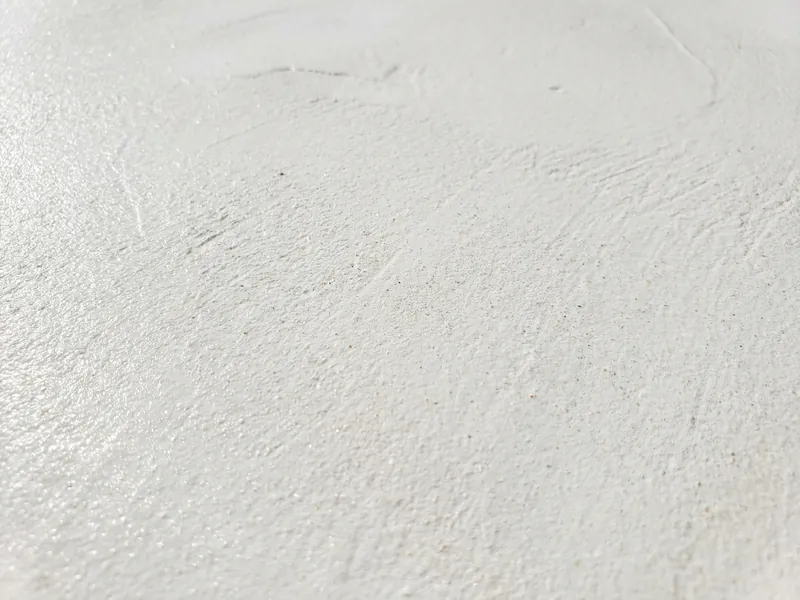
White Plaster $3,000 $4,200 $5,800 ⚠️ Poor — Floridan Aquifer soft water etches plaster; lifespan reduced to 7–10 years
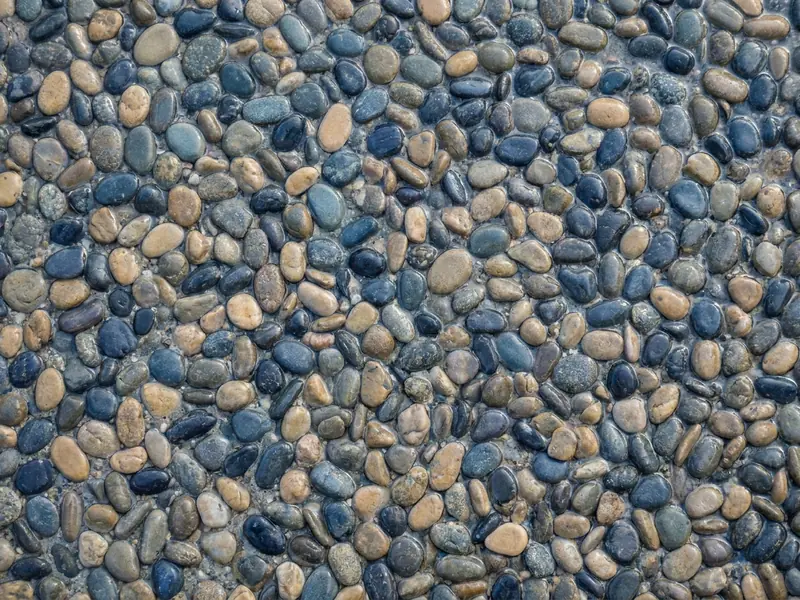
Pebble Aggregate
(Pebble Tec, StoneScapes)
$5,200 $7,000 $9,800 ✅ Excellent — resists soft-water etching; dominant choice in Central Florida
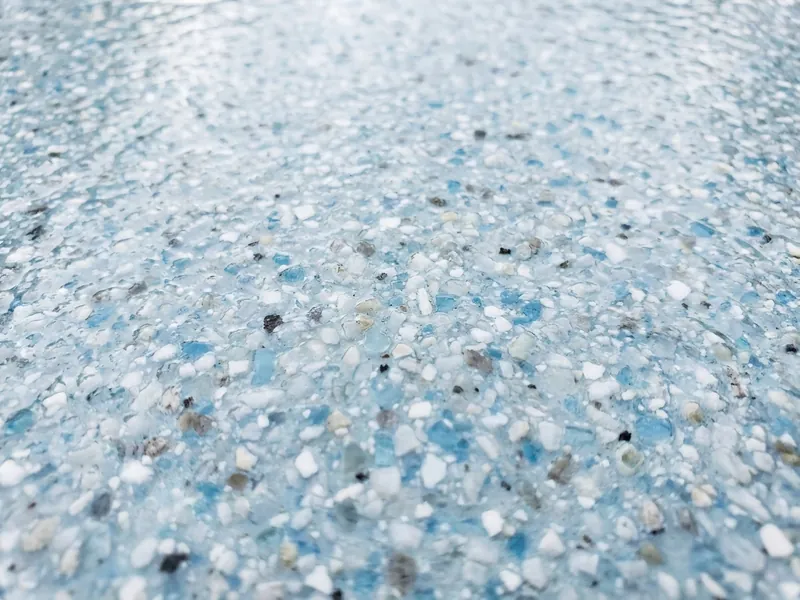
Quartz Aggregate
(Diamond Brite, Hydrazzo)
$4,500 $6,200 $8,500 ✅ Excellent — quartz crystals resist etching better than plaster; popular in luxury neighborhoods
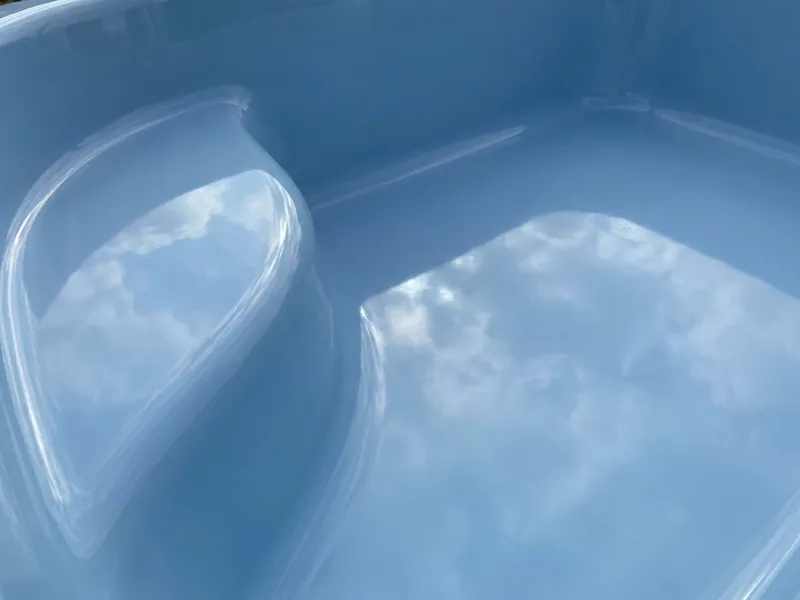
Fiberglass Coating $3,000 $4,500 $6,500 ✅ Best — non-porous; immune to soft-water calcium leaching

Prices based on regional market research for Orange County, FL (2024). Labor cost index: 0.95x national avg.

Orlando Pool Resurfacing Cost Calculator

Get an instant estimate tailored to Orlando / Orange County local pricing (2026), reflecting Central Florida's 0.95× labor cost index and Floridan Aquifer soft-water surface challenges.

🧮 Estimate Your Orlando Resurfacing Cost

Estimated Cost for Your Pool in Orlando

How Orlando's Floridan Aquifer Water Affects Pool Surfaces

Central Florida's water chemistry is shaped by the Floridan Aquifer System — one of the most productive aquifer systems in the world, underlying most of Florida and parts of Georgia and South Carolina. While geologically similar to Miami's Biscayne Aquifer, the Floridan Aquifer typically produces softer water in the Orlando area.

💧

Floridan Aquifer: Soft, Corrosive Water

Orlando's municipal water measures approximately 120 mg/L calcium carbonate — classified as "Moderately Hard" but chemically undersaturated relative to pool plaster's calcium content. This means the water will actively pull calcium carbonate from your pool surface to reach equilibrium.

The result over months and years:

  • Etched surfaces — rough, sandpaper-like texture underfoot
  • Gray mottling — uneven calcium depletion creates patchy appearance
  • Accelerated plaster thinning — surface literally dissolves over time
  • Shortened lifespan — plaster lasts 7–10 years vs. 10–15 nationally

Management: Maintain calcium hardness at 250–350 ppm (above the 200–400 standard range's midpoint), test bi-weekly, and dose with calcium chloride regularly. This won't eliminate the problem in plaster pools — it only slows it.

🏖️

Why Central Florida Defaults to Pebble Aggregate

It's no coincidence that pebble aggregate finishes (Pebble Tec, StoneScapes, Mini Pebble) dominate the Orlando market. Local contractors learned decades ago that white plaster simply doesn't last in Central Florida's soft-water environment.

Pebble aggregate surfaces contain rounded quartz, pebble, and mineral particles that are:

  • Far less soluble than calcium carbonate plaster
  • Resistant to the etching and pitting process
  • Able to last 15–20 years with proper care in Orlando water
  • More attractive, with natural color that holds up under Central Florida UV

The $2,000–$4,000 premium over plaster typically pays for itself in avoided early resurfacing costs over a 15-year window — especially at Orlando's current contractor pricing.

Orlando Climate & Your Pool

Orlando's subtropical climate sits between Miami's tropical zone and Central Florida's hotter inland summers — delivering a 10-month pool season (March through December) with intense summer thunderstorm patterns unique to the I-4 corridor.

🌡️

Temperature Profile (2025 Data)

Avg High
81.8°F
Avg Low
64.6°F
Days > 90°F
67 days
Freeze Days
0 days
Rainfall
53.1 in/yr

Source: Open-Meteo Historical Climate Archive, 2025 calendar year.

⛈️

Orlando's Thunderstorm Season: A Pool Chemistry Challenge

Orlando is the lightning capital of the United States, and its June–September afternoon thunderstorm pattern creates a recurring pool chemistry challenge:

  • 53+ inches of rain annually — regular storm dilution shifts pH and alkalinity
  • 67 days above 90°F — more UV stress than Miami, accelerating plaster breakdown
  • Afternoon thunderstorms wash dirt, organic debris, and nitrogen into pools — fueling algae
  • Zero freeze risk — no thermal cracking from freeze-thaw cycles

Best time to resurface in Orlando: November–February, when the thunderstorm season ends, humidity drops, and cure conditions improve. Contractors' spring season (March–April) books up fast.

Florida Pool Contractor Licensing Requirements

📋

Certified Pool/Spa Contractor License (CPC)

Florida requires pool contractors to hold a Certified Pool/Spa Contractor License (CPC) issued by the Florida Department of Business & Professional Regulation (DBPR). This applies statewide, including all Orange County contractors serving Orlando.

  • ✅ State exam required
  • ✅ Surety bond required
  • ✅ Specialty sub-classifications available for resurfacing
  • 🔗 Verify at: myfloridalicense.com
⚠️

Before You Hire in Orlando

  • Verify active CPC license number with DBPR
  • Ask specifically about Floridan Aquifer soft-water experience
  • Get warranty terms in writing — especially for plaster surfaces in soft-water markets
  • Check Orange County permit requirements for resurfacing work
  • Look for 4.5+ star Google reviews with recent (2024–2025) work samples
  • Confirm they carry workers' comp — not just GL insurance

Orlando Pool Resurfacing Market Overview

📊

Demographics (Census 2022)

  • Population: 307,738
  • Housing Units: 122,607
  • Homeownership Rate: 39.2%
  • Median Home Value: $332,700
  • Median Household Income: $66,292
  • Est. Homes with Pools: ~4,184

Source: US Census ACS 5-Year Estimates, 2022.

🏊

Market Dynamics

Orlando has an estimated 20–38 pool resurfacing contractors serving the city — a smaller market than Miami or Houston. With approximately 4,184 pool homes and a 12-year average resurfacing cycle, the city generates roughly 349 resurfacing jobs annually.

The Orlando metro (including suburban Orange, Seminole, and Osceola counties) is substantially larger. Many pool owners in communities like Lake Nona, Dr. Phillips, and Winter Park choose premium pebble finishes — driving the higher-end segment of the market.

Service Areas in Orlando & Orange County

Our network of licensed contractors serves all neighborhoods and surrounding communities:

📍Winter Park
📍Lake Nona
📍Dr. Phillips
📍Ocoee
📍Windermere
📍Kissimmee
📍Apopka
📍Altamonte Springs
📍Sanford
📍Casselberry
📍Maitland
📍Longwood

Frequently Asked Questions — Orlando Pool Resurfacing

How much does pool resurfacing cost in Orlando?

Pool resurfacing in Orlando typically costs $3,800–$8,000. White plaster runs $3,000–$5,800, pebble aggregate costs $5,200–$9,800, and quartz finishes range $4,500–$8,500 for a standard 500 sq ft Orange County pool.

Why does the Floridan Aquifer damage pool surfaces?

Orlando's Floridan Aquifer water measures ~120 mg/L — below the saturation point for calcium carbonate in plaster. This means the water actively leaches calcium from your plaster surface to reach equilibrium, causing etching, pitting, and surface roughness. This process shortens plaster life to 7–10 years in Orlando vs. 10–15 nationally. Pebble aggregate and quartz finishes are far more resistant to this chemical attack.

Do pool contractors need a license in Florida?

Yes. Florida requires a Certified Pool/Spa Contractor License (CPC) from the DBPR. Verify any Orlando contractor's license at myfloridalicense.com.

Why is pebble aggregate so common in Orlando pools?

Local contractors and pool owners learned from experience that bare white plaster simply doesn't last in Central Florida's soft Floridan Aquifer water. Pebble aggregate finishes became the regional standard because they resist soft-water etching, hold color under intense UV, and last 15–20 years with proper care — significantly outperforming plaster in Orlando conditions.

When is the best time to resurface a pool in Orlando?

November through February is ideal. Orlando's thunderstorm season (June–September) makes curing difficult and jobs harder to schedule. Winter months offer lower humidity, drier conditions for plastering, and better contractor availability before the spring booking rush.

Why Choose Our Orlando Network

DBPR CPC Licensed & Bonded
🛡️$1M+ Liability Insurance
4.8+ Star Google Rating
📞Free Estimates, No Obligation
📋5-Year Surface Warranty
💧Floridan Aquifer Specialists

Get Your Free Pool Resurfacing Quote in Orlando

Connect with licensed, insured pool resurfacing contractors serving Orlando and Orange County. Free estimates with no obligation.

📞 Call (813) 723-3209

Or fill out our form — we'll match you with up to 3 vetted contractors within 24 hours.

📞 Call Now Browse Cities